What Mental Health Recovery Really Looks Like (From the Outside)
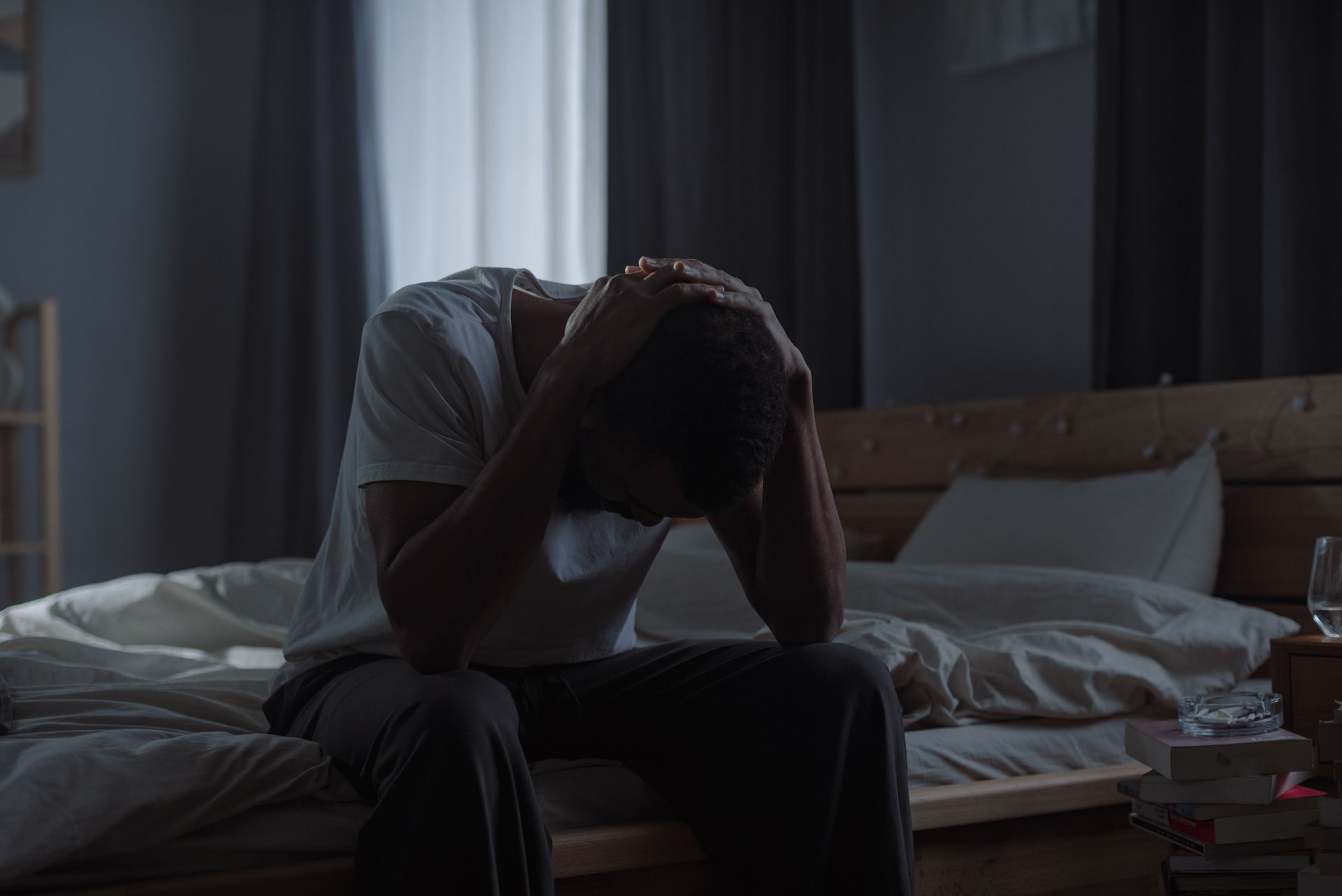
When someone you love is living with depression, anxiety, PTSD, bipolar disorder, or another mental health condition, it’s natural to hope for a “turning point.” Family and friends often picture recovery as a clear finish line: the person is happy again, back to normal, and life returns to how it used to be.
But mental health recovery usually doesn’t look like a dramatic breakthrough. More often, it looks like something quieter — and far more real.
Recovery is progress, not perfection
One of the most important things families can understand is that recovery is rarely linear. There may be good days followed by hard days. Symptoms can fade and return. The goal isn’t to eliminate every difficult emotion — it’s to build stability, resilience, and a meaningful life even when challenges still exist.
As psychiatrist David D. Burns explains in Feeling Great, emotional healing often happens through learning new skills, identifying distorted thinking patterns, and practicing healthier responses over time — not by simply “snapping out of it.” (Burns, 2020)
What recovery might look like from the outside
To a family member, recovery may show up as small but powerful shifts, such as:
- They start answering texts again
- They follow through on appointments
- They return to work more consistently
- They begin sleeping more normally
- They show interest in hobbies or relationships
- They communicate their needs instead of shutting down
- They apologize after conflict rather than disappearing
- They become more open to therapy or medication support
Sometimes recovery looks like a person becoming more honest, not more cheerful. They may finally say, “I’m not okay,” and accept help. That is progress.
Recovery includes setbacks
Families often feel discouraged when symptoms return. But setbacks don’t mean failure. In fact, the Substance Abuse and Mental Health Services Administration (SAMHSA) describes recovery as a process of health, wellness, and growth — one that includes learning, rebuilding, and ongoing support. (SAMHSA, 2023)
In mental health, relapse or flare-ups can be part of the journey, not the end of it.
How families and friends can help
Support doesn’t require having perfect words. Often, what helps most is consistency:
- Stay connected, even when they withdraw
- Celebrate small wins
- Avoid “fixing” or pressuring
- Encourage professional help without shame
- Remind them they are not a burden
The heart of recovery
Recovery doesn’t always mean returning to the old version of someone. It may mean becoming a new version — one with more self-awareness, more tools, and more strength than before.
At MAP, we believe recovery is real. And for families watching from the outside, the most important thing to know is this: if you see even small signs of hope, engagement, or effort — you are likely witnessing recovery already.