Is the Secret to Better Mental Health Buried in Your Backyard or in Your Garden?
What if one of the most powerful mood-boosting substances on earth was sitting right beneath your feet? Not in a pharmacy, not in a supplement aisle — but in an ordinary handful of garden soil?
Meet Mycobacterium vaccae (pronounced “emm vah-KAY”). It’s a harmless, naturally occurring bacterium found in soil almost everywhere on the planet, and scientists have spent nearly two decades unraveling its surprisingly powerful effects on the human brain.
It started with an unexpected discovery.
Researchers at Bristol University and University College London were studying the immune system when they stumbled onto something remarkable: when mice were exposed to Mycobacterium vaccae, the bacterium activated serotonin-producing neurons in the brain and altered behavior in a way that closely resembled the effects of antidepressant medications. Their findings, published in the journal Neuroscience, identified the specific brain region involved — the dorsal raphe nucleus — and established a clear link between this common soil microbe and the brain’s mood-regulating chemistry.
Serotonin is the neurochemical at the heart of most modern antidepressant medications. The fact that a microbe living in dirt could stimulate its production through an entirely different pathway was, to put it mildly, a big deal.
So what’s actually happening in the brain?
Follow-up research by Dr. Christopher Lowry and his team at the University of Colorado identified the precise mechanism: M. vaccae contains a fatty acid that binds to receptors in immune cells and shuts off inflammatory cascades in the brain. Their studies, also published in Neuroscience, showed the bacterium shifts the brain environment toward an anti-inflammatory state — with Dr. Lowry noting the findings could have “broad implications for a number of neuroinflammatory diseases,” including anxiety and PTSD.
The research has continued to build. A 2018 study by Frank and colleagues at the University of Colorado found that immunization with M. vaccae induces anti-inflammatory processes in the hippocampus, blocks stress-induced neuroinflammation, and prevents anxiety-like behaviors in rats — published in Brain, Behavior, and Immunity. And a 2023 study by Mazzari, Lowry, and colleagues, published in Neurobiology of Stress, showed that M. vaccae may not just treat stress — it may actually build resilience to it, even when early life adversity is a factor.
What about cognitive function?
Researchers at the Sage Colleges in New York took the question further. When they fed mice small amounts of M. vaccae and ran them through a challenging maze, the bacteria-exposed mice significantly outperformed the control group — navigating faster and with less anxiety. Their findings, published in Behavioural Processes, led the lead researcher to conclude: “These studies leave us wondering if we shouldn’t all be spending more time playing in the dirt.” Improved mood and sharper thinking from something living in your garden bed.
How do you actually get exposed to it?
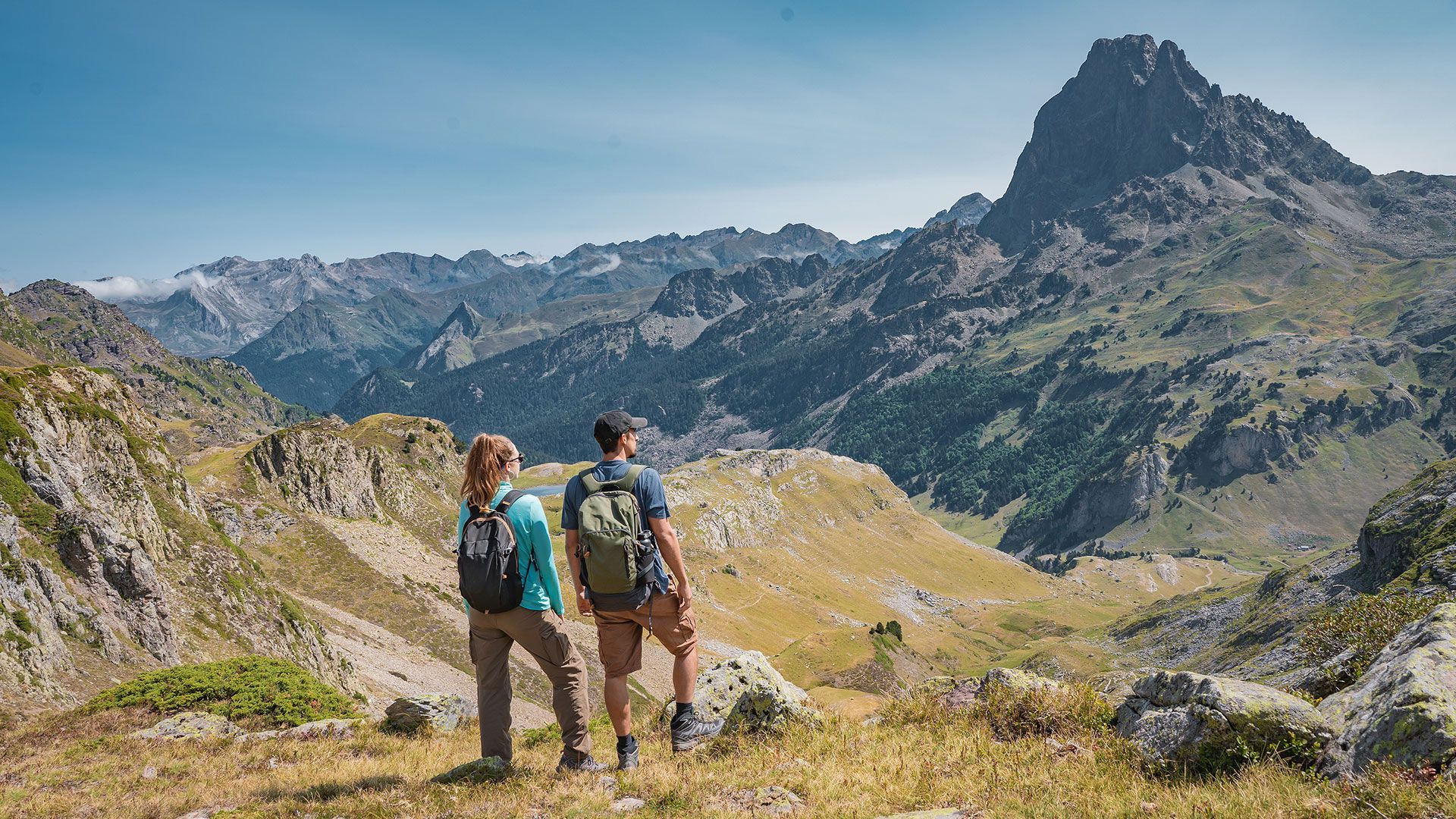
You don’t need to eat a spoonful of soil. Exposure to M. vaccae happens naturally through skin contact, inhalation, and minor abrasions — meaning digging in a garden bed, hiking on an unpaved trail, or simply letting kids play in the yard all count. Ongoing research continues to explore whether M. vaccae could be harnessed for therapies targeting depression, PTSD, and stress resilience, though clinical applications in humans are still being studied.
The bottom line
None of this is a replacement for professional psychiatric care. But it is a compelling reminder that human mental health didn’t evolve in a sterile, screen-lit environment — and that some of the oldest, simplest interventions may have real biological teeth. The next time someone tells you to “go outside and get your hands dirty,” you can tell them that’s actually neuroscience.